When a machine moves slowly, increasing pressure is not automatically the answer. Pressure and flow are linked by the circuit, but they describe different aspects of the work being performed.
Pressure relates to force
For an ideal cylinder, force is pressure multiplied by effective area. In a real double-acting cylinder, pressure on the opposite side and mechanical friction also affect net force. Record pressures at both chambers when analyzing a loaded actuator.
Flow relates to speed
Cylinder speed follows flow divided by effective area, before leakage and compression effects. A large cylinder needs more flow than a small one to move at the same speed. Extension and retraction areas differ, so the same pump delivery can produce different travel speeds.
Use the distinction to ask better questions
If the actuator cannot move a load, investigate the available net force and mechanical condition. If it moves the load but takes too long, investigate delivered flow and restrictions. Both symptoms can coexist, and a measured circuit diagram is more useful than adjusting settings by trial and error.
Practical checklist
- Record load, cylinder bore, rod diameter and travel time.
- Measure pressure and flow at defined operating conditions.
- Separate insufficient force from insufficient speed.
Discuss your application
Explore related hydraulic products, or send JIUDING your model code and application details. Include the circuit drawing and the operating conditions relevant to the checks above so the required configuration can be reviewed.
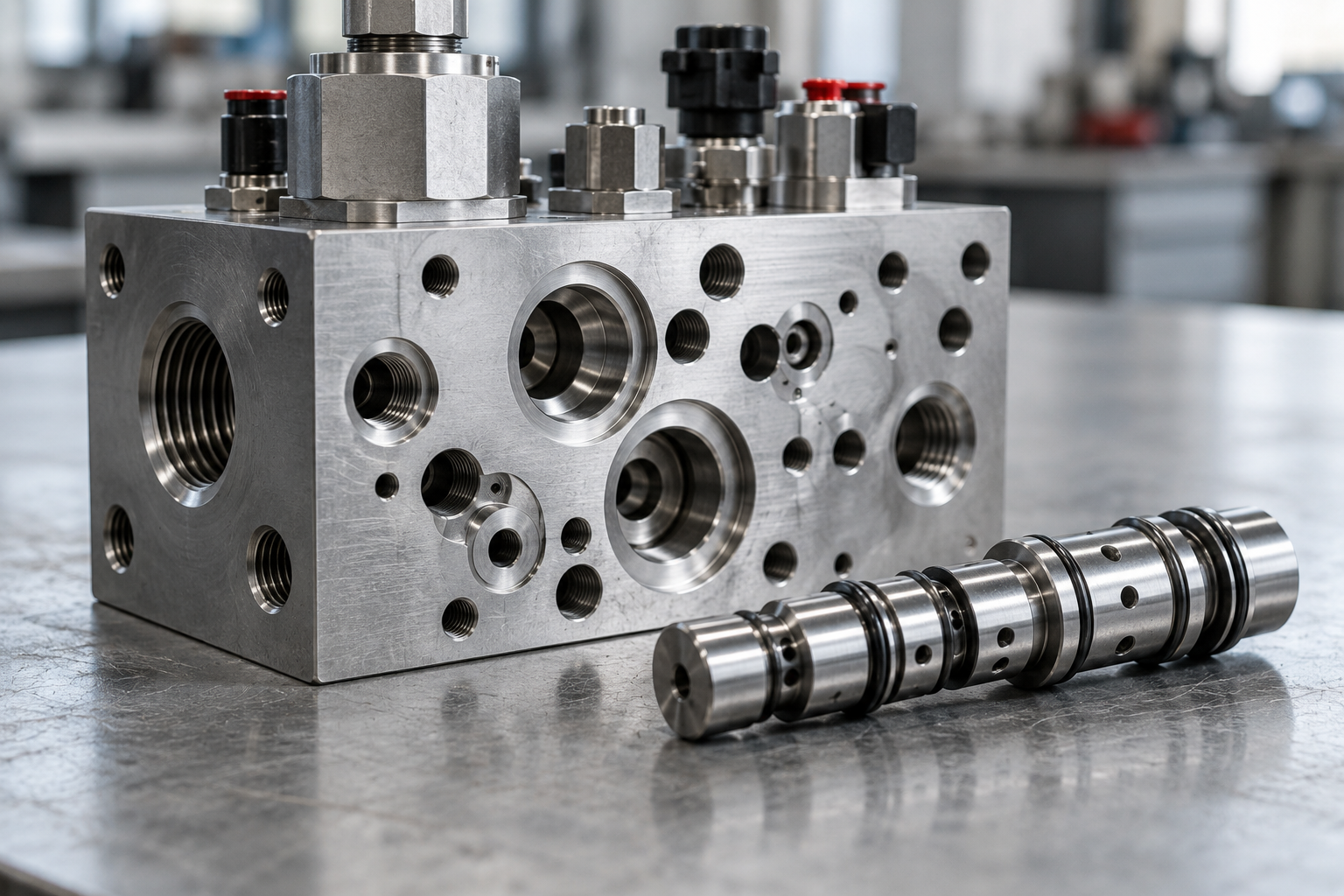
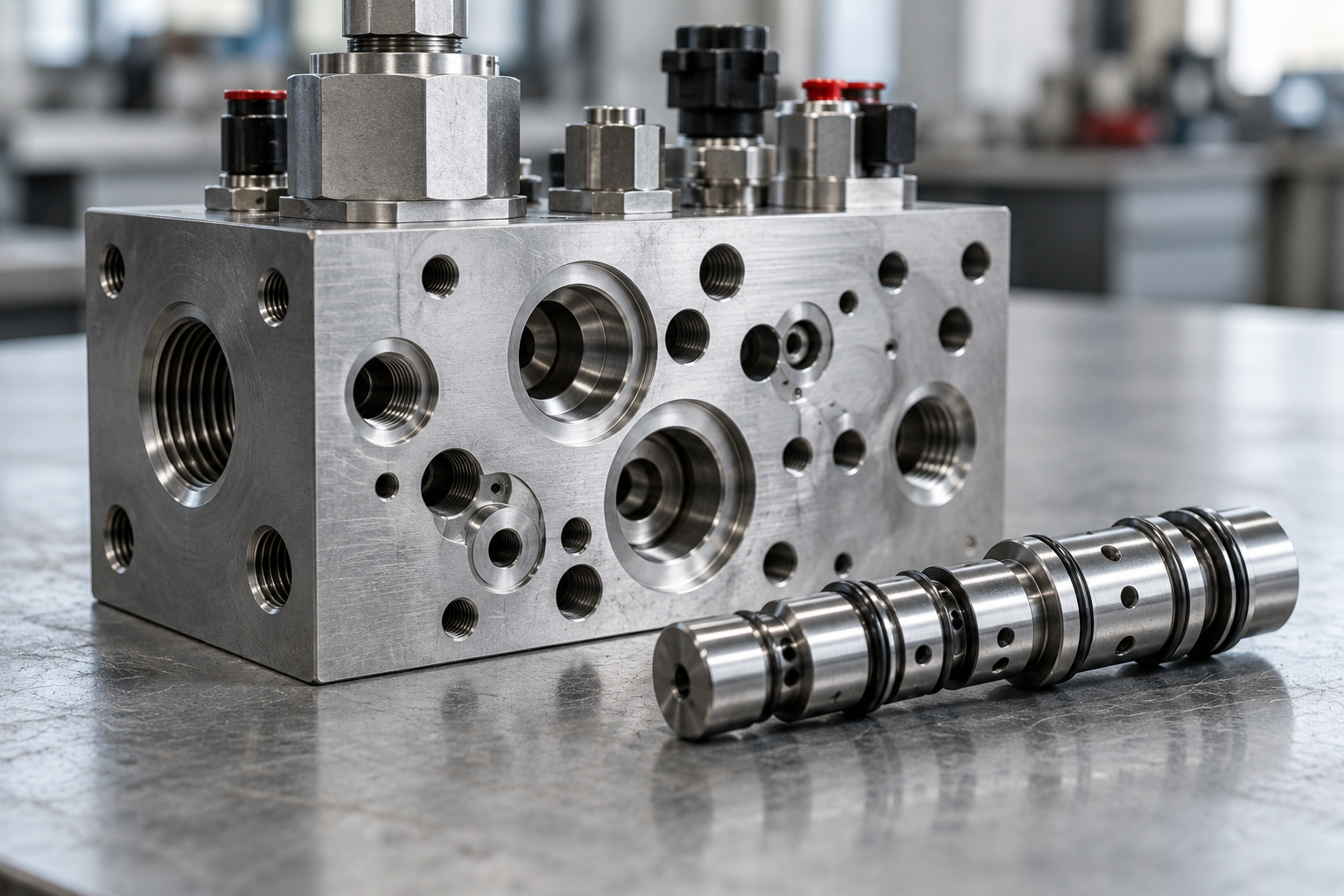
Cover image: AI-generated editorial illustration, not a model-specific product drawing or a photograph of a JIUDING facility.